
In the world of electronic music, where trends shift faster than the hi-hats in a Drum & Bass track, it’s easy to forget where the rhythm started. But for any DJ worth their salt, the blueprint for euphoria lies in Classic House. Originating in the clubs of Chicago and later exploding across the globe, the foundational sound of House is more than just history—it’s the driving engine behind virtually every modern House, Trance, and even UK Bassline tune you hear today.
For me, the influence of the classics is everything..
The Unbreakable Beat: The Four-to-the-Floor Kick
The most profound lesson from Classic House is the power of simplicity. Every track, from the earliest garage sounds to the biggest Ibiza anthems, is built around that relentless, powerful four-on-the-floor kick. It’s the genre’s heartbeat.
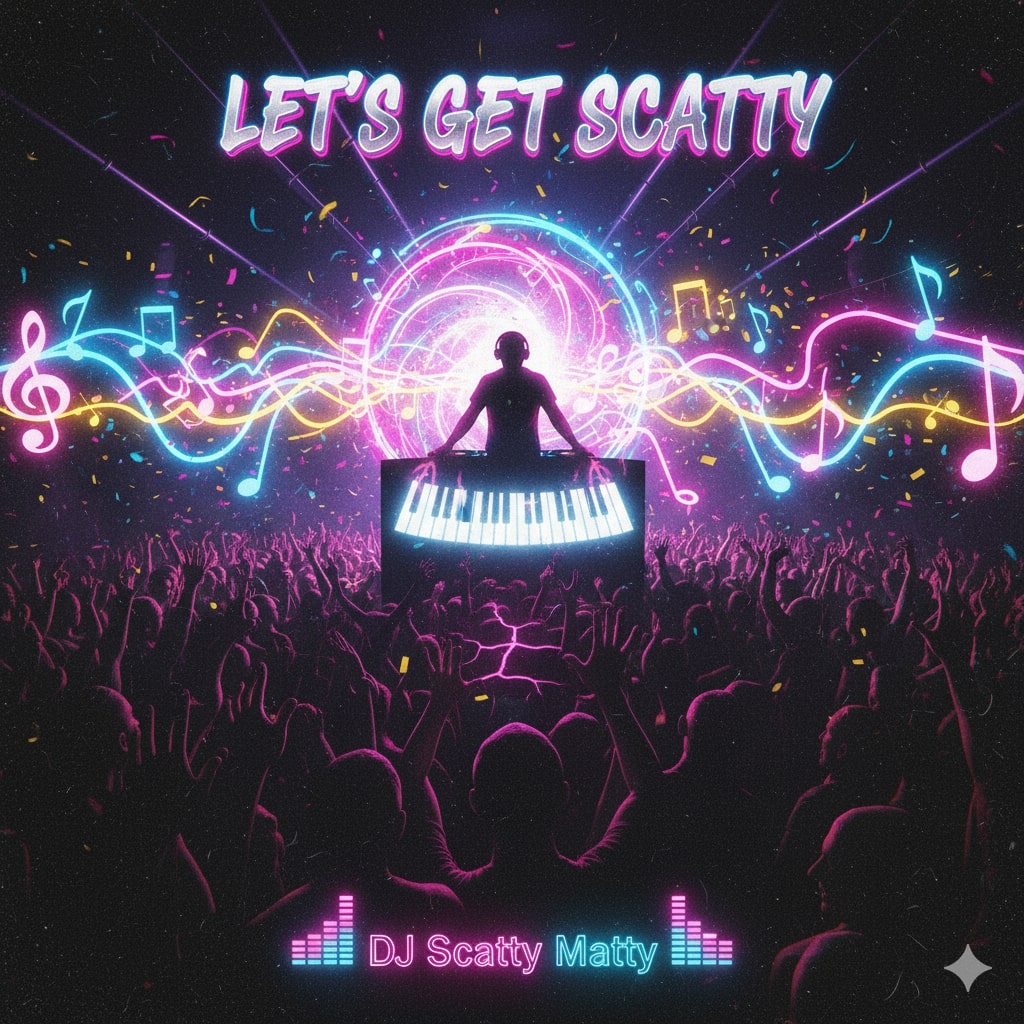
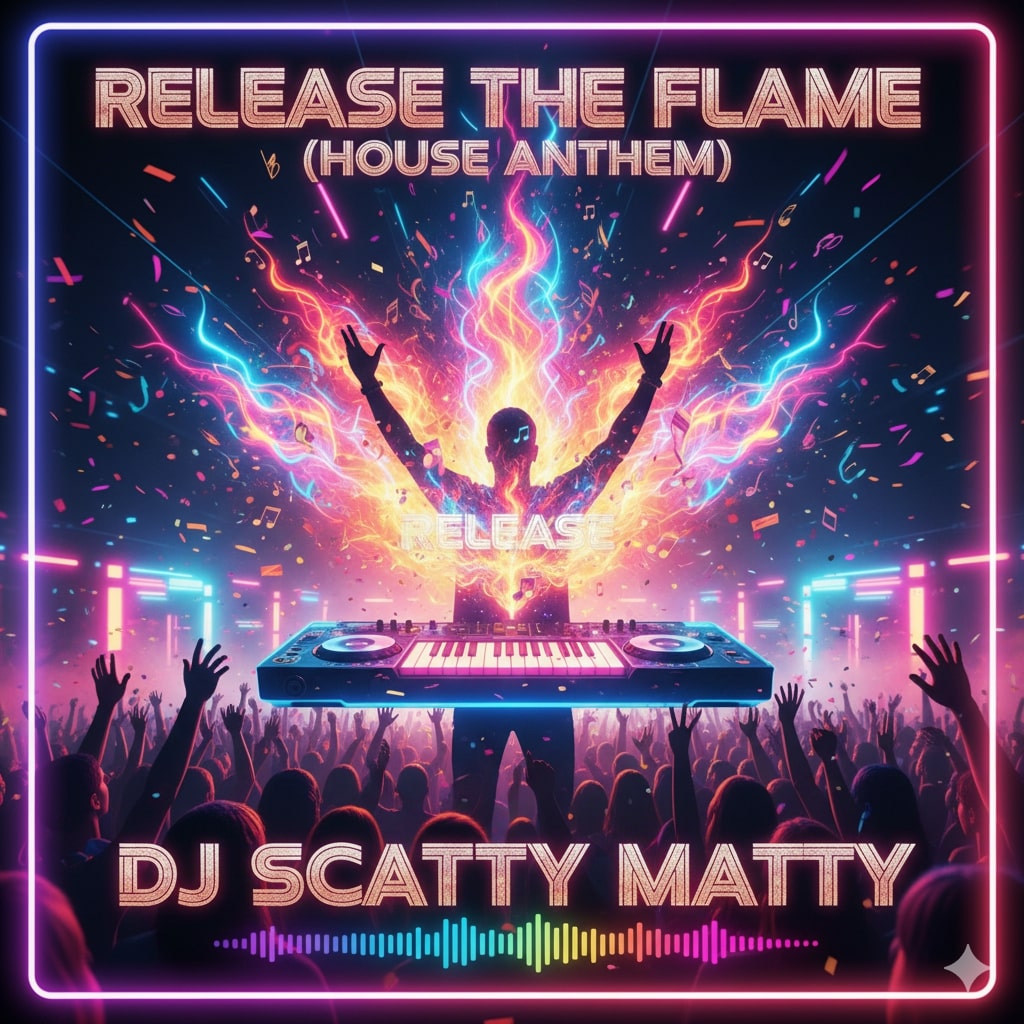
In my own work, especially in tracks like “Let’s Get Scatty” or “Release The Flame,” that heavy, pulsing kick is non-negotiable. It’s the anchor that allows everything else—the gliding synths, the chopped vocals, and the deep sub-bass—to float above it. Modern production techniques can make the kick sound bigger and fatter, but the rhythmic philosophy remains unchanged: create a primal beat that locks the crowd in instantly.
“House music is about emotion. It’s about feeling. It’s about people being together and being free.” — Carl Cox
The Soulful Salvation: Piano and Vocal Hooks
Classic House wasn’t just built on drums; it was built on soul. The early pioneers took disco’s emotional vocal power and gospel’s uplifting chords, and fused them with electronic beats. This gave us the definitive sound of Piano House—bright, percussive, and undeniably joyful.
This soulful approach is why I rely so heavily on the piano. Whether it’s the joyful loop in “Love is All Around Us” or the syncopated chords in “Party Time,” the piano is the primary emotional vehicle. It adds warmth, nostalgia, and an immediate sense of optimism. You can take the euphoric spirit of a 90s classic and wrap it in modern production, but if you lose that soulful piano hook, you lose the heart of the music.
“You don’t make music, music makes you.” — Rick Rubin
Creating the Anthem: The Power of Repetition
One of the great secrets of Classic House tracks is their longevity. They weren’t complicated. They featured a simple, infectious vocal hook or a repetitive synth jingle that faded in and out, becoming the signature of the tune. The energy was built through subtle shifts in percussion, not complex drops.
This philosophy is crucial for crafting modern anthems. My own custom jingles and tracks like “Glow All Night” are designed around this concept. By repeating a simple, optimistic motif—whether it’s the iconic M1 organ or a short vocal chop—you embed the tune deep into the listener’s memory. It’s a hypnotic technique that guarantees those hooks will be yelled back from the dancefloor for years to come.
“The first job of a DJ is to save people from the silence.” — Larry Levan
The legacy of Classic House is not just in dusty crates of vinyl; it lives on every time a DJ drops a four-on-the-floor beat with a soulful piano chord. It taught us that simplicity is powerful, emotion is paramount, and the greatest therapy is found in a communal rhythm. Respect the roots, and the crowd will always find the groove.