It’s no secret that life, even when you’re caught in the whirlwind of creating music and playing gigs, throws some absolute curveballs. For me, the journey into music hasn’t just been about crafting a banging beat or a catchy chorus; it’s been about finding a lifeline. This is my personal reflection on how music became a vital tool in my own mental health journey.
Sometimes, the simplest moments hold the deepest wisdom. Let your thoughts settle, and clarity will find you.
When the Electric Light Felt Dim
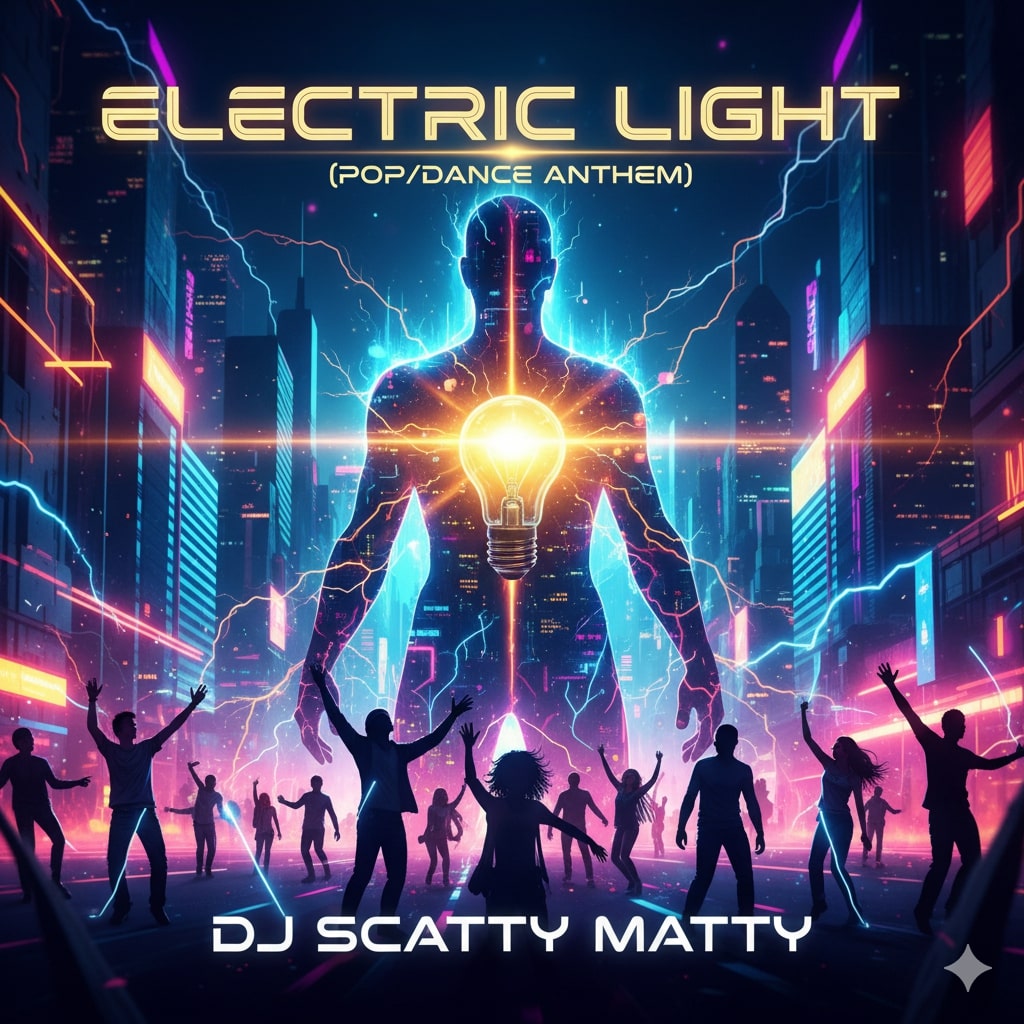
There were times when I genuinely felt like I was walking on a broken road. Those dark periods, where every memory felt like a heavy load and it seemed easier to close the door on the world, are universal. I’ve always found it brave to channel that experience into something creative, and that led directly to tracks like “Electric Light.” I wanted to create a pop/dance anthem that was unapologetically upbeat, precisely because the message—the search for that inner glow—was so personal and so crucial. It proves that even when you’re singing about the struggle, you can keep the rhythm driving forward.
JD Therapy: Finding Release in the Rhythm
My early troubles, the confusion and the longing that felt like a Crooked Highway, often found their first expression in more traditional sounds. That’s where the idea for “JD Therapy” was born. It’s a country song about my troubles, yes, but its power is in its transformation. It starts stripped back—just acoustic guitar and plaintive pedal steel, the intimate sound of reflection—before it seamlessly explodes into euphoric Piano House.
That transition is the therapy itself. It’s the sonic representation of taking that heavy weight of emotion and channelling it into a high-energy release. You use the music, the four-on-the-floor kick, and the soaring synths to move through the pain, not just dwell in it. It’s the sound of choosing to dance through the struggle.
“Dance music is an outward manifestation of an inner feeling. It’s music that makes people move, and there’s a great healing process to that.” — Moby
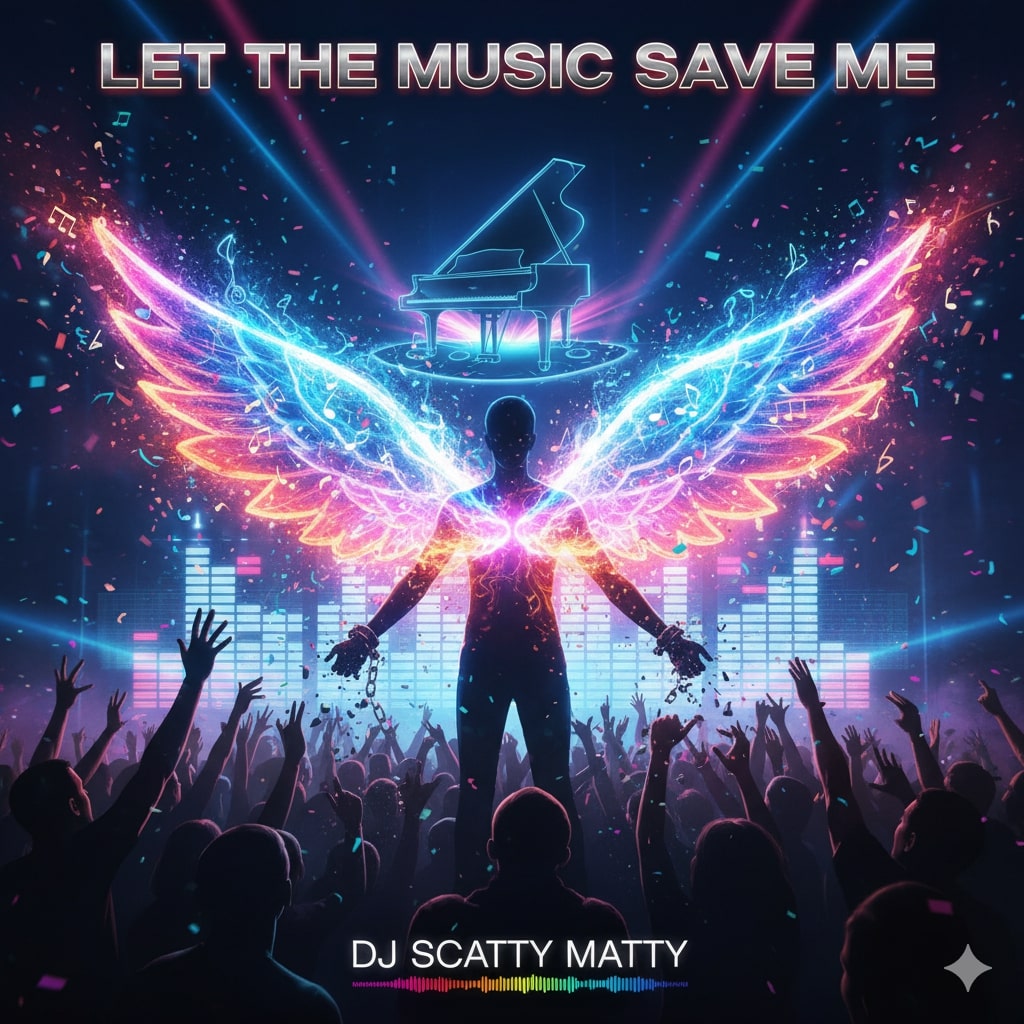
Let the Music Save Me
For me, House music isn’t just a genre; it’s a sanctuary. The very structure of a great track, particularly the uplifting Piano House I love, mirrors the process of overcoming difficulty. The way the beat builds tension with gliding synths, only to break down and then surge back in with a chorus of infectious, chopped vocals, is a feeling of being pulled back from the brink.
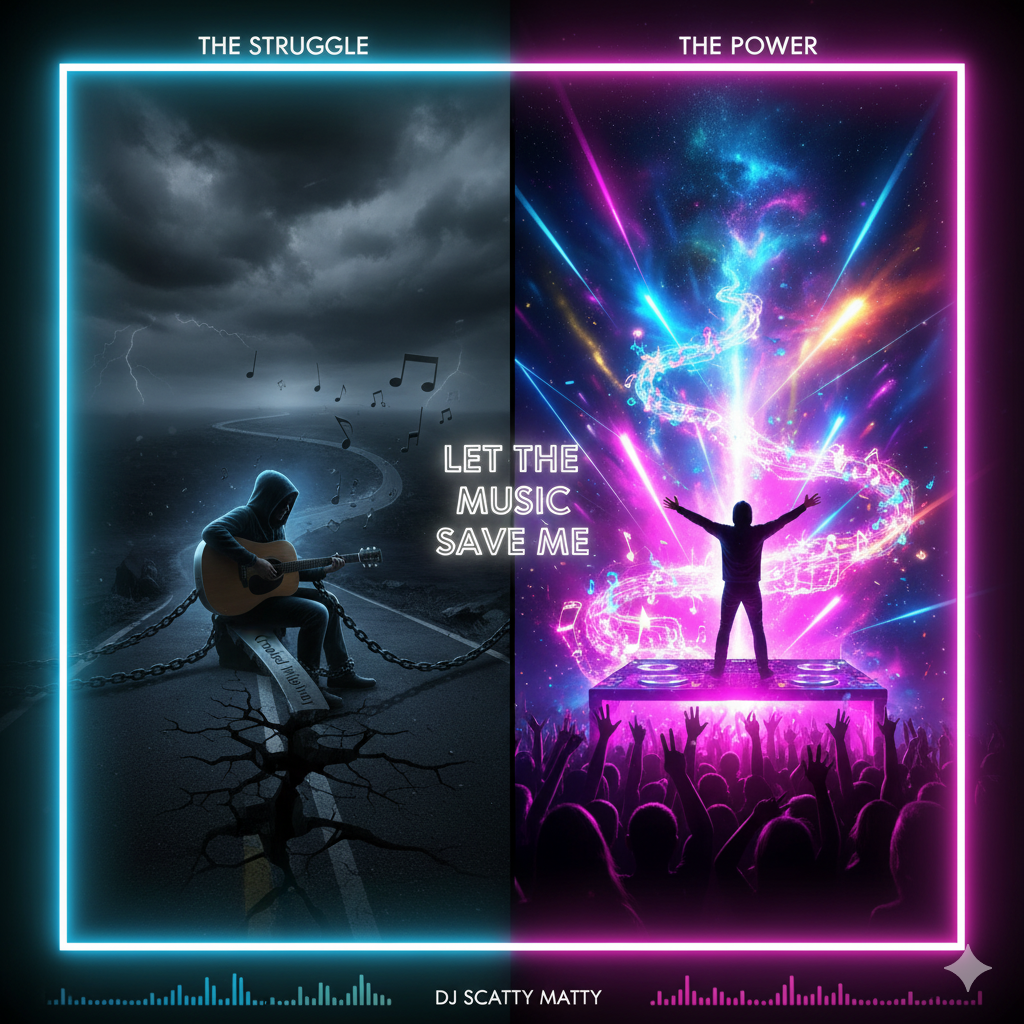
A track like “Let the Music Save Me” is a direct dedication to that feeling. It’s about that moment when the bass drops, the piano hits, and the energy is so relentless, so pure, that you are completely immersed. In that moment, surrounded by the rhythm, the old Troubles fade away. You feel that you can open up your heart and just receive the hope the beat offers.
The Rhythmic Resilience
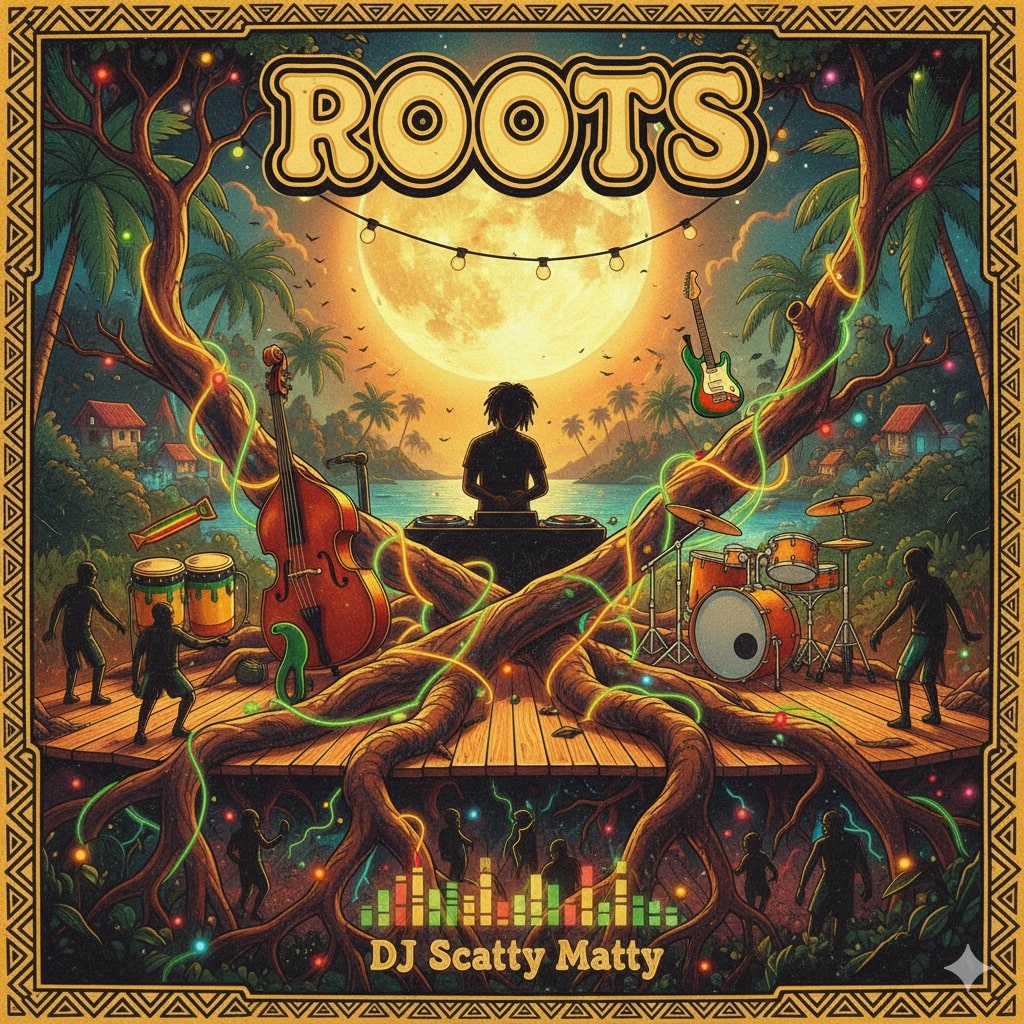
Even my reggae work has a foundation in mental resilience. Tracks like “Roots” and “The Rasta Rhythm in My Soul” are steeped in messages of conscious awareness and keeping a calm, steady pulse despite the chaos. It’s about being grounded, drawing strength from your foundations, and realizing that sometimes the most powerful force is a gentle, rhythmic flow.
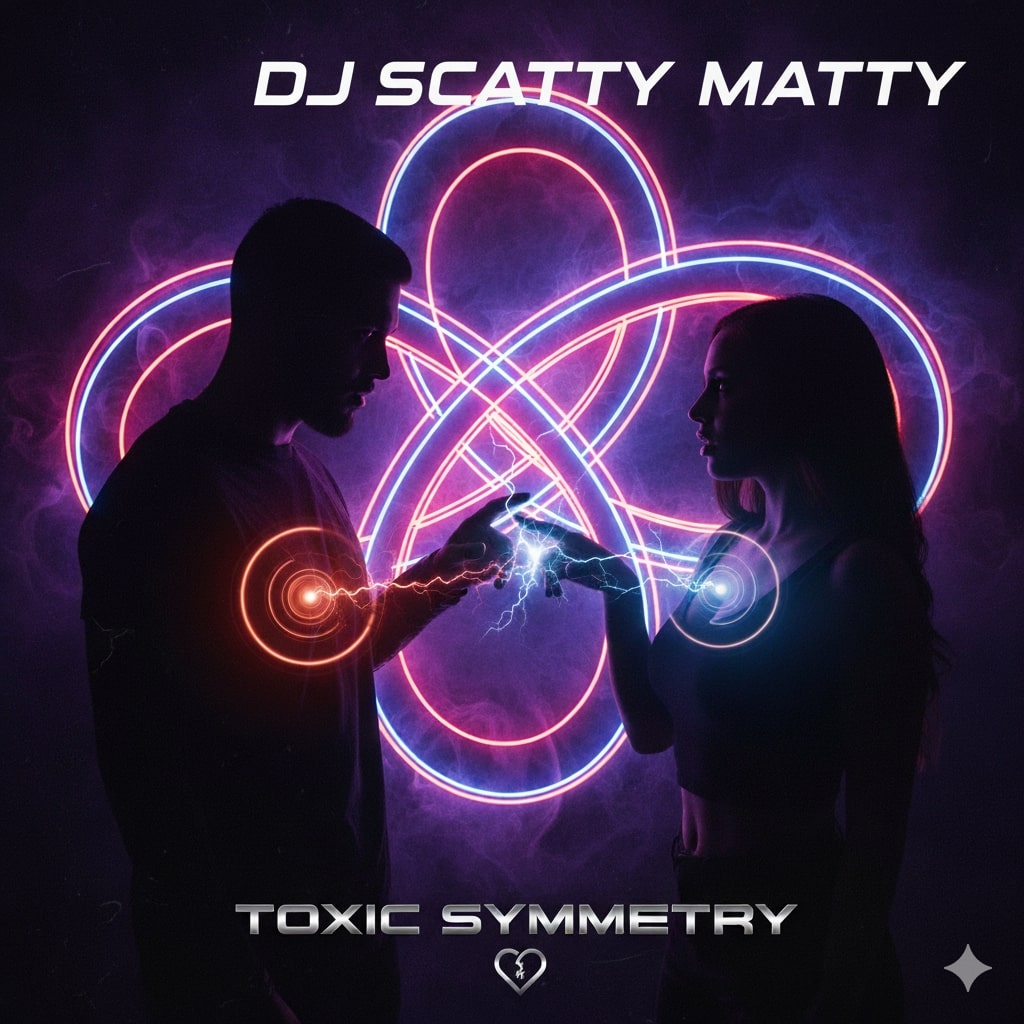
Ultimately, my musical journey—from the soulful simplicity of a country tune to the complex, high-vibration conflict of “Toxic Symmetry“—has shown me that there is no right way to heal. There’s just the rhythm. Whether it’s the Drum & Bass propelling you forward in the face of a challenge, or the gentle Trance melody guiding you toward dawn, music is always there to save you, one beat at a time.